Soil, Compost & Mulch
Treat soil as a living system you feed rather than a substrate you amend. Each piece follows one input from application to what it actually does to structure, moisture, and microbial life over 1–3 seasons — including the honest failure modes (nitrogen tie-up, matted mulch, a compost heap that never heats). Favor side-by-side reasoning over product recommendations.
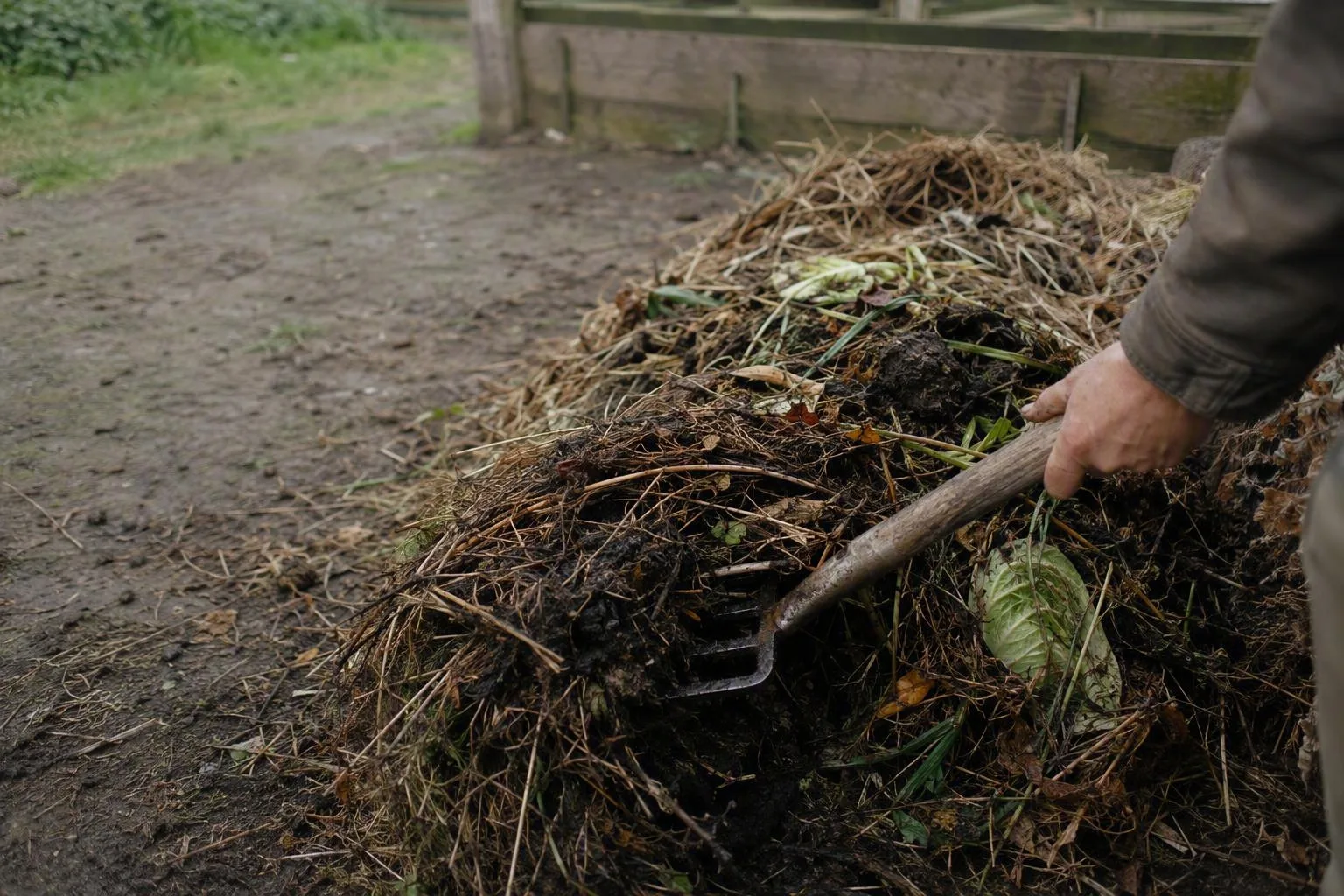
What Is the First Rule of Composting? Balance the Mix
What is the first rule of composting? Balance browns, greens, moisture, and air. Diagnose smells, cold piles, wet mats, and stalled heaps.
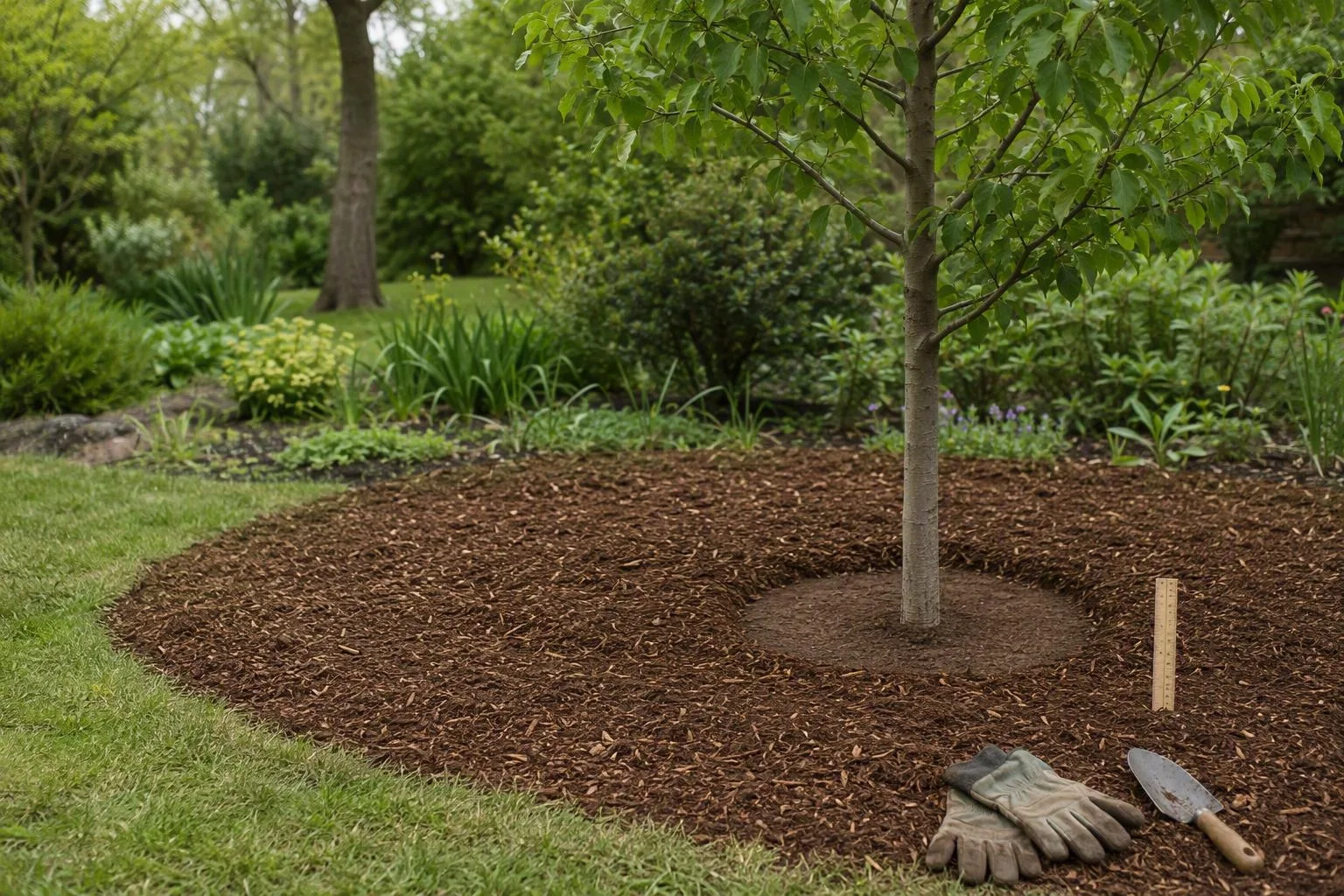
What Is the 3-3-3 Rule for Mulch? The Safe Setup
Learn what the 3-3-3 mulch rule means: three inches deep, three inches clear of stems, and a safe three-foot tree ring.
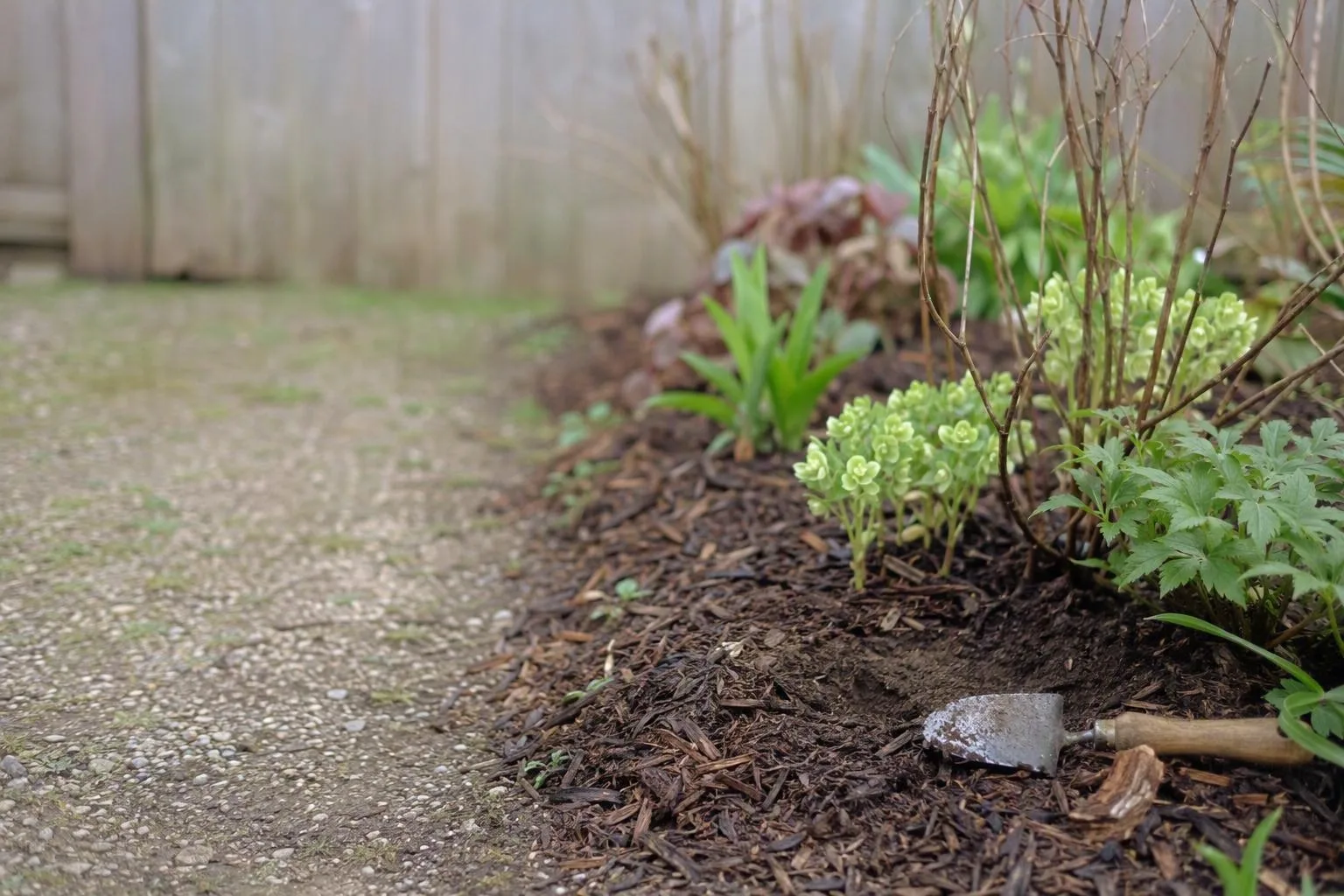
What Are the Downsides of Mulching? 6 Problems to Avoid
What are the downsides of mulching? Learn six mulch problems, from stem rot and nitrogen tie-up to slugs, cold soil, matting, and weeds.
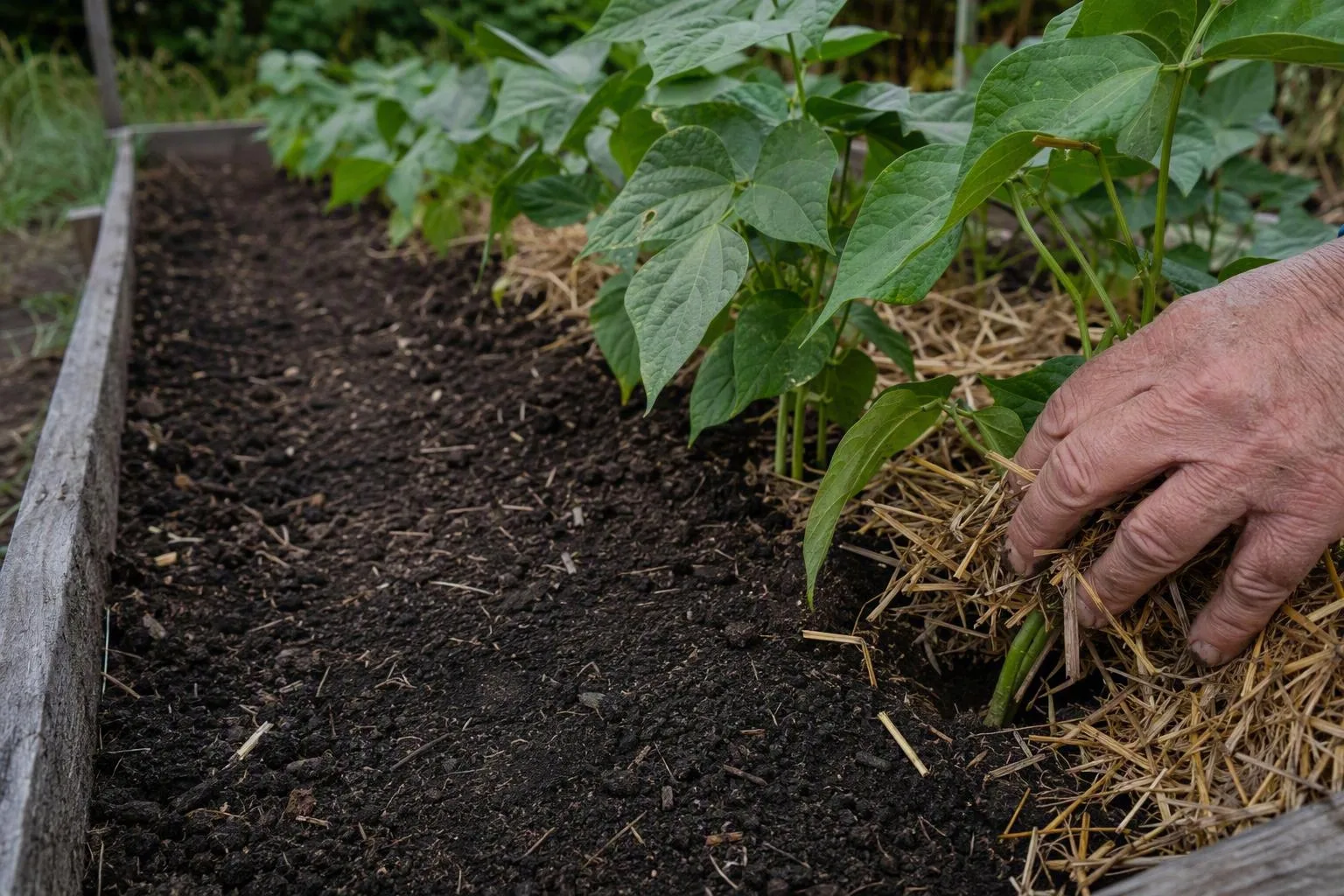
Mulching for Beginners: What to Use, When, and Why
Mulching for beginners: match straw, compost, leaves, chips, or gravel to the job, with seasonal timing, depth guidance, and failure fixes.
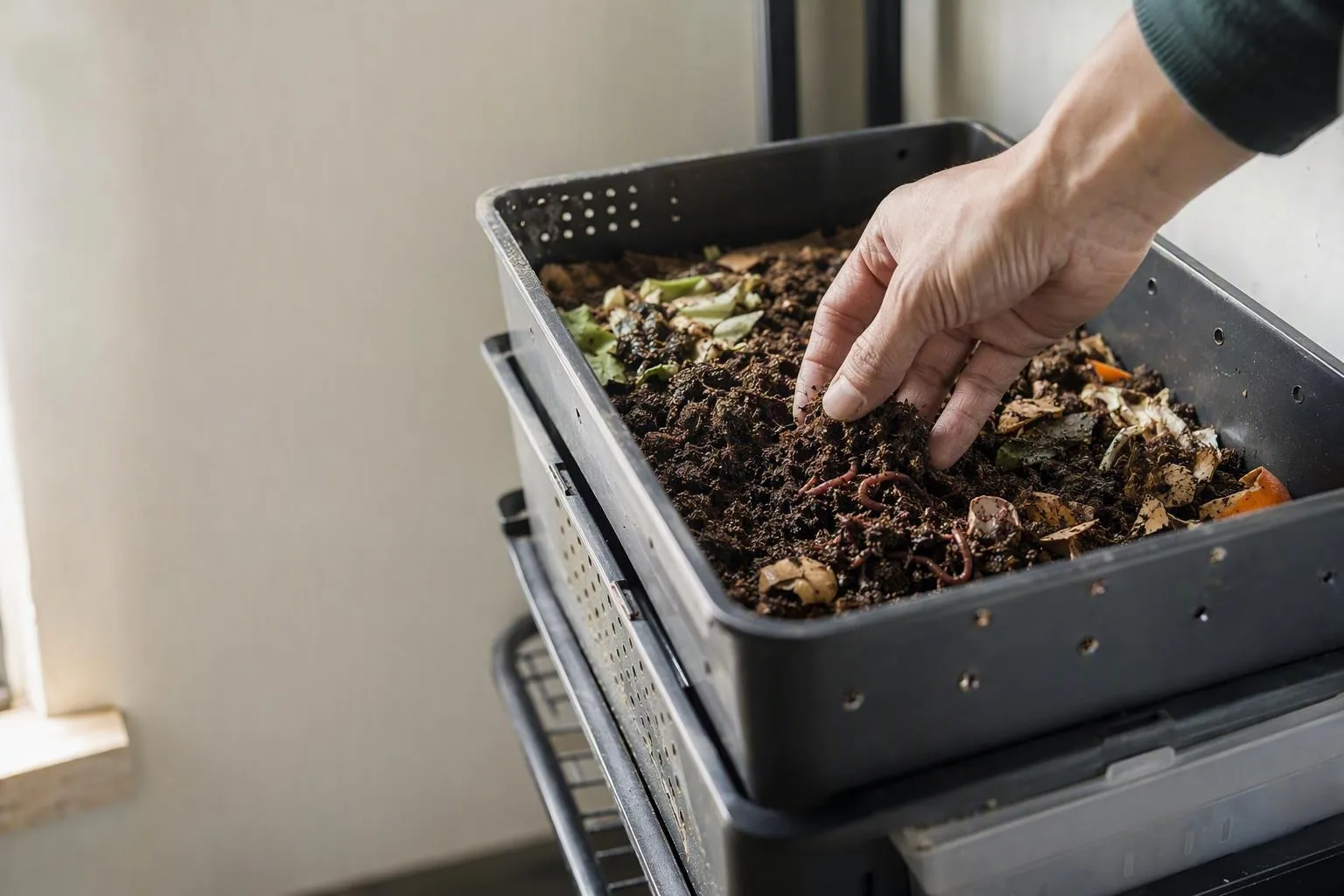
Composting Worms: The Bin Setup That Prevents Mass Die-Off
Set up a composting worm bin that avoids mass die-off with loose bedding, ventilation, careful feeding, and practical seasonal troubleshooting.
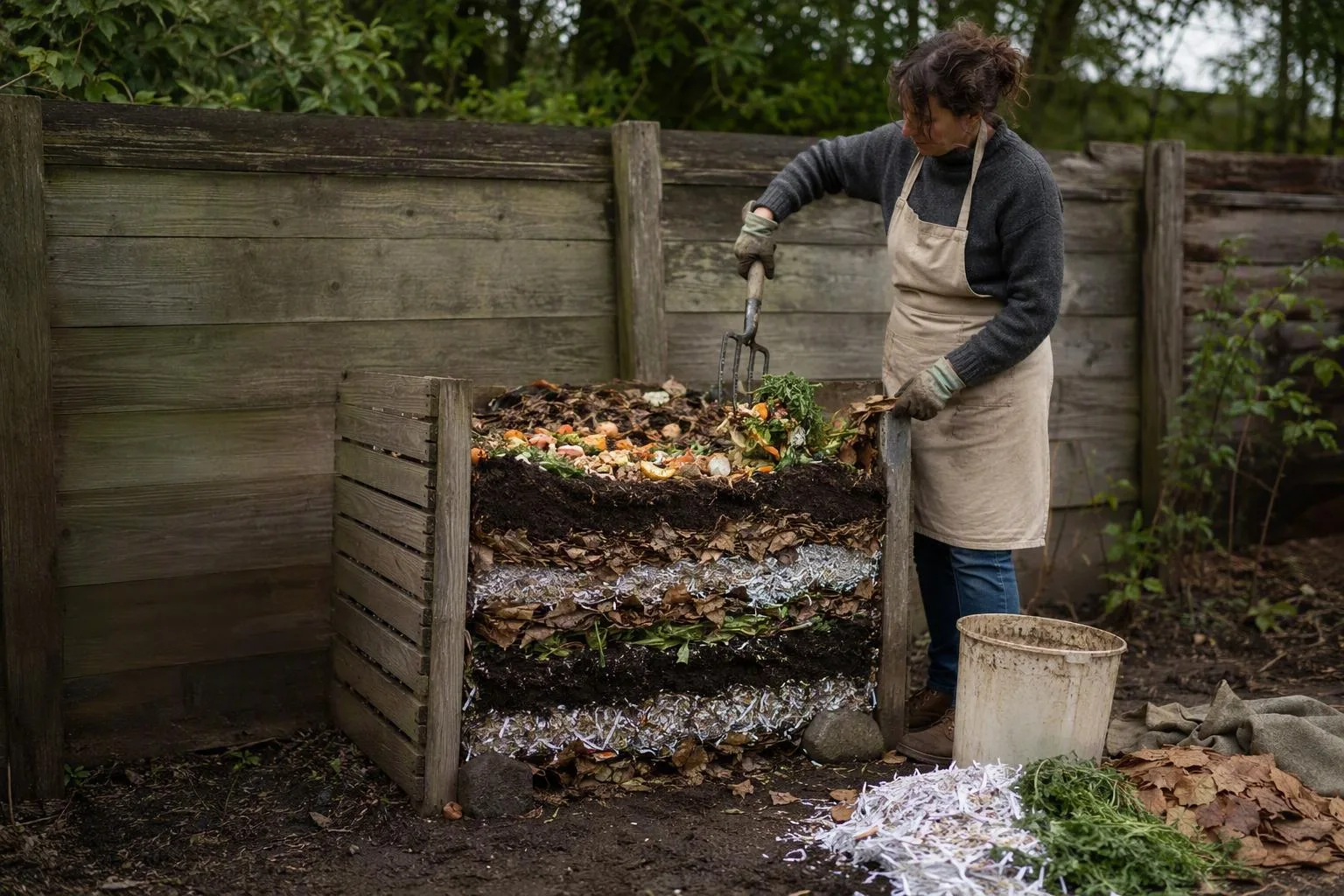
Composting for Beginners: Build a Heap That Actually Heats
Composting for beginners: build a heap that heats by balancing moisture, air, mass, greens, and browns, then diagnose cold, wet, or sour batches.
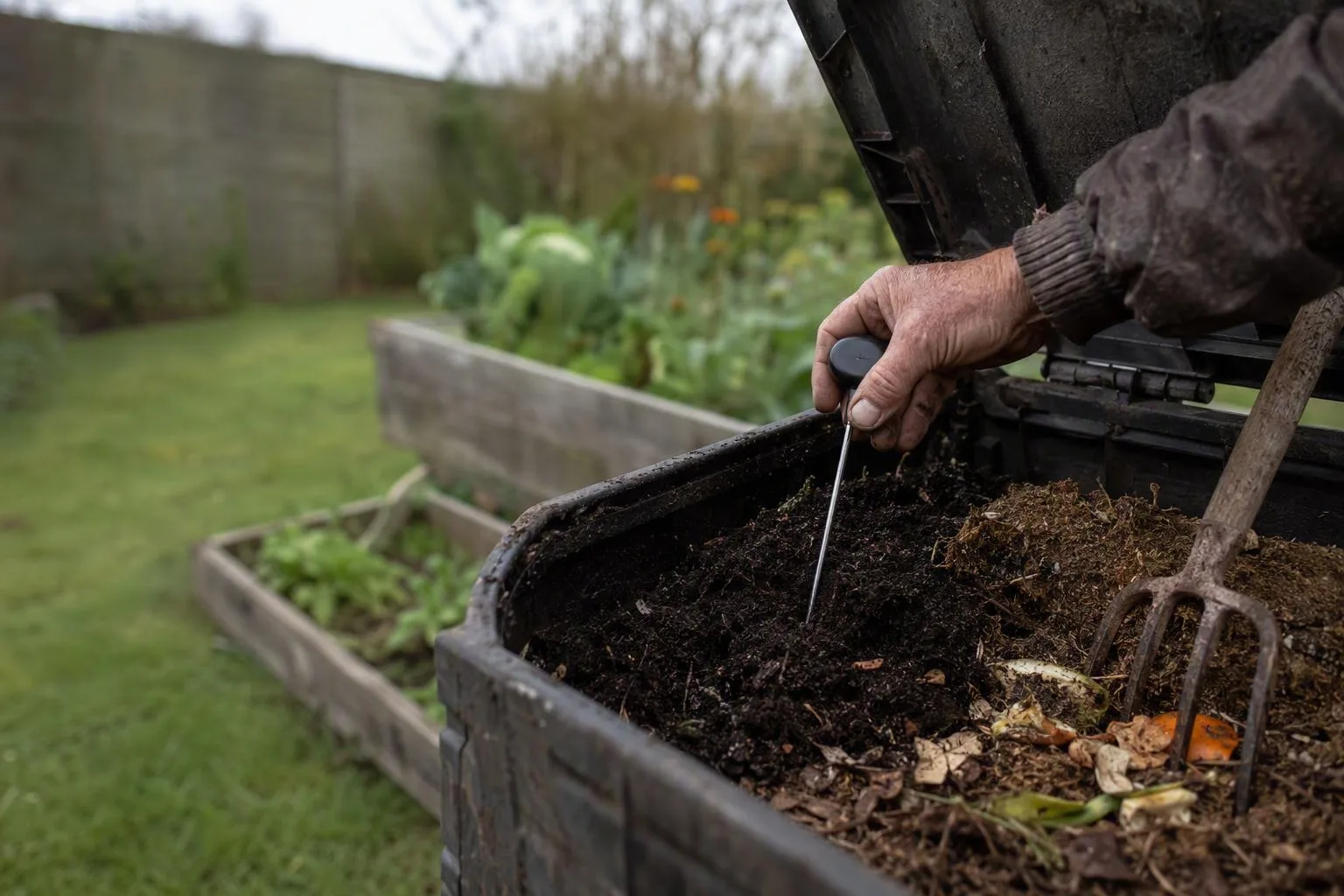
Composting Bin: What to Add When Your Pile Won’t Heat
A cold composting bin usually needs the right mix, moisture, airflow, and volume—not activator. Diagnose and restart it with this practical rescue pla
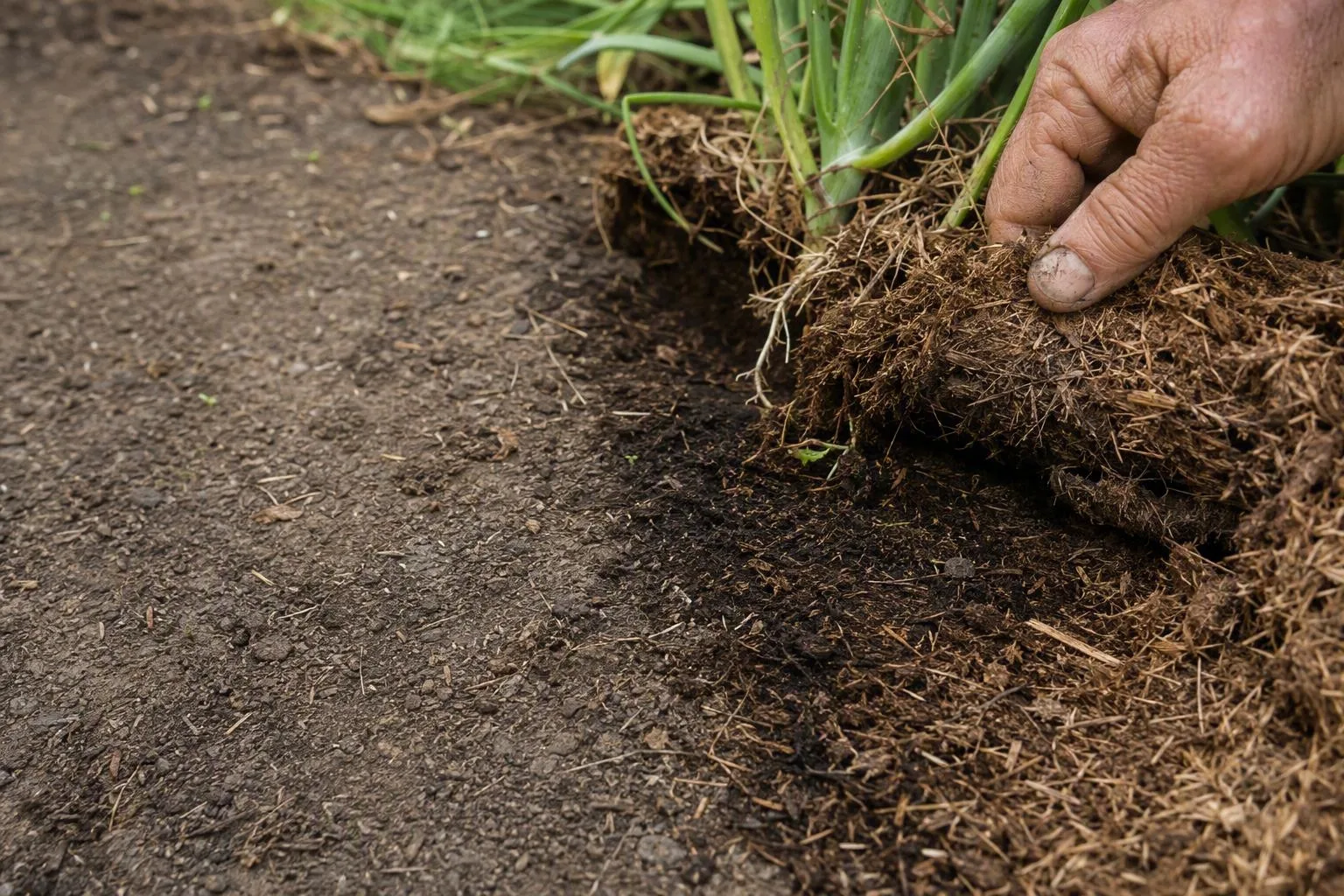
Mulching: What It Changes in Soil—and Where It Quietly Fails
Mulching changes moisture, temperature, structure and decomposition at the soil surface. Learn which materials help, where nitrogen tie-up starts, and
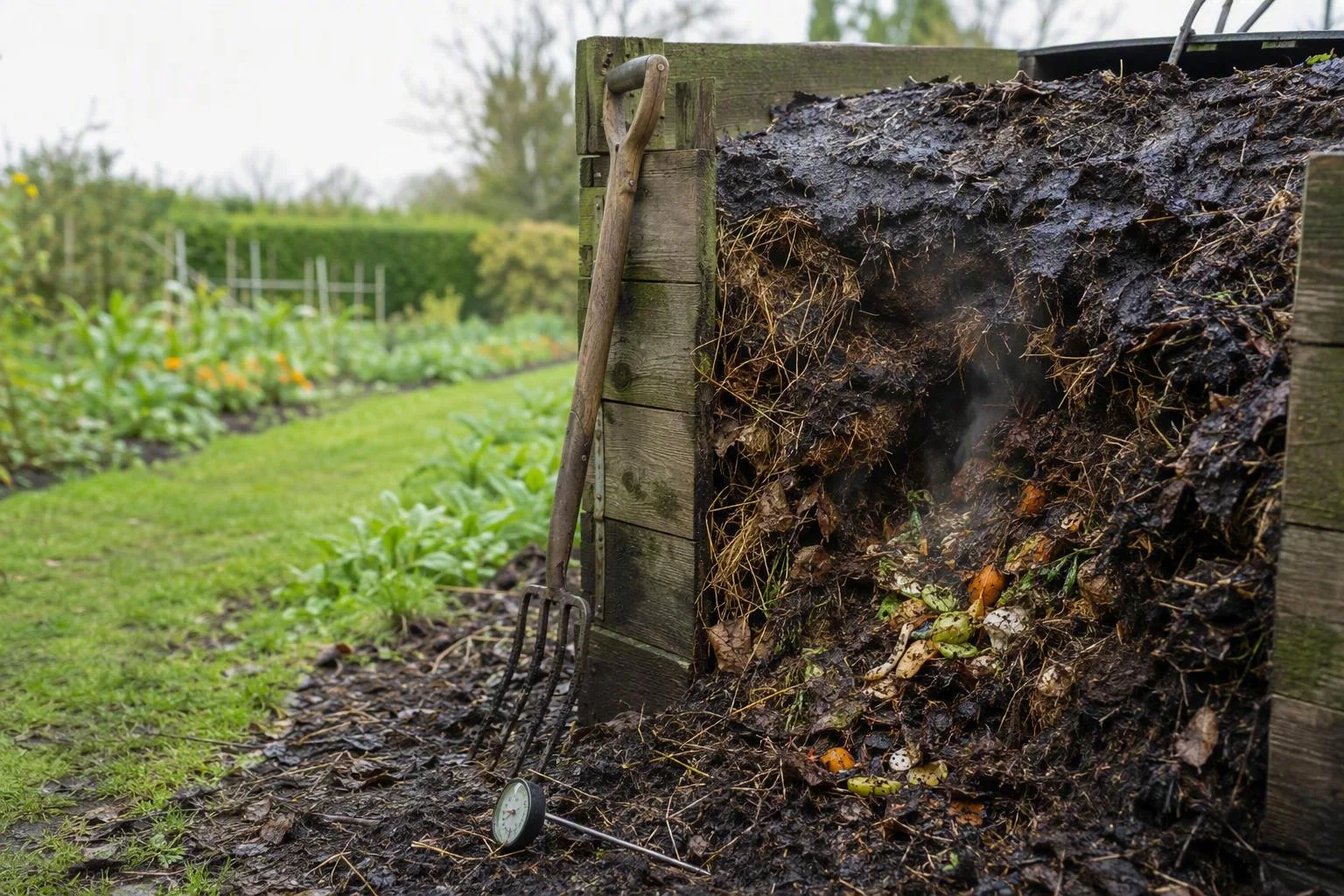
Composting: Why Your Heap Stalls and How to Make It Heat
A stalled compost heap usually needs better air, moisture, balance, or scale—not an activator. Diagnose the cause and rebuild it to heat.